Can Police Search Your Trash Without a Warrant?

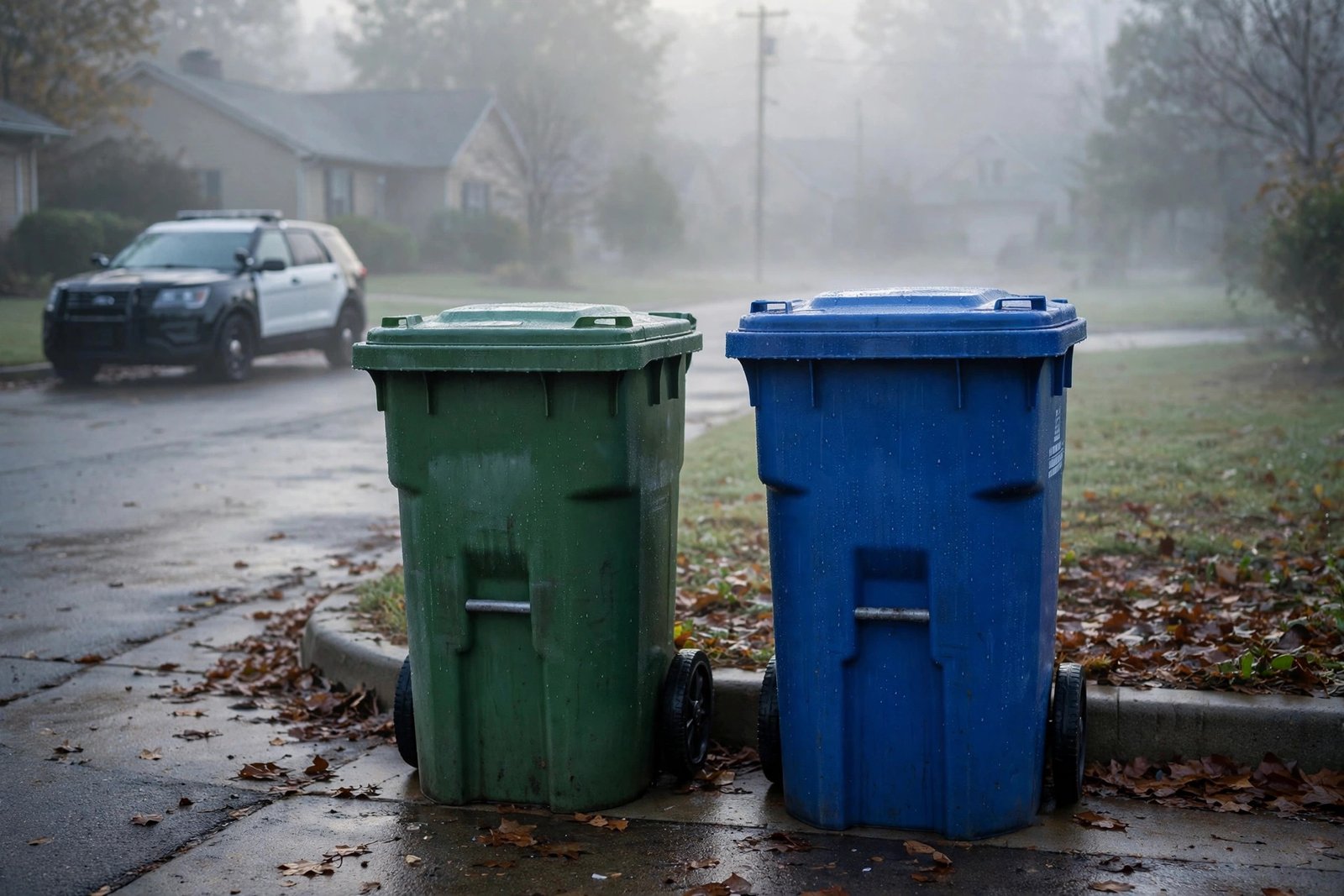
Yes — in most of the United States, police can search through trash you leave at the curb for collection without getting a warrant. The Supreme Court decided this in California v. Greenwood (1988), reasoning that once you put trash out for pickup, you give up any reasonable expectation of privacy in it. Where the trash is located, however, can change the answer.
The Quick Answer
- Trash at the curb or alley for collection: Police generally do not need a warrant to search it.
- Trash still on your property near your home (curtilage): Stronger privacy protections may apply.
- A few states give trash more protection under their own constitutions than federal law requires.
- Trash pulls are a common investigative technique, especially in drug cases.
California v. Greenwood Explained
In California v. Greenwood, police received a tip that Billy Greenwood was dealing drugs. Without a warrant, officers asked his trash collector to hand over the garbage bags Greenwood had left at the curb. They found drug paraphernalia, used that evidence to get a search warrant for his home, and found narcotics.
Greenwood argued the warrantless trash search violated the Fourth Amendment. The Supreme Court disagreed, 6–2, for two main reasons:
- Trash at the curb is exposed to the public. Anyone — a neighbor, a scavenger, a stray animal — could rummage through it, so you can’t reasonably expect it to stay private.
- You voluntarily turn it over to a third party. By placing bags out for the collector, you relinquish control and any expectation of privacy.
That ruling remains the federal standard today: curbside trash is essentially fair game for law enforcement.
Curtilage vs. the Curb: Location Matters
Not all trash is treated equally. Courts distinguish between:
- The curb or alley: Trash placed out for collection — no warrant needed under Greenwood.
- Curtilage: The area immediately around your home (porch, side yard, enclosed patio). Trash cans stored here, not yet put out for pickup, may still carry a reasonable expectation of privacy. Police generally can’t enter curtilage to grab trash without a warrant or another legal justification.
- Inside the home: Full Fourth Amendment protection, as always.
The practical line: if you’ve wheeled the bin to the street for pickup, it’s searchable. If the cans are sitting by your garage and you haven’t put them out yet, officers typically can’t just walk up and dig through them.
How Police Use “Trash Pulls” in Investigations
A “trash pull” is exactly what it sounds like — officers collect a suspect’s discarded trash and sift through it for evidence. It’s a staple of narcotics investigations because it’s cheap, legal in most places, and surprisingly productive. Discarded items that commonly show up in cases include:
- Drug packaging, baggies, and paraphernalia
- Financial records, receipts, and shipping labels
- Documents linking a person to an address or activity
- Discarded electronics or data storage
Evidence from a lawful trash pull can then support probable cause for a search warrant of the home or car — just as it did in Greenwood itself.
State Laws Can Be Stricter
The Fourth Amendment sets the floor, not the ceiling. A few state courts have held that their state constitutions protect trash more strongly than federal law:
- New Jersey (State v. Hempele, 1990) recognized a reasonable expectation of privacy in curbside trash under its state constitution.
- A small number of other states have reached similar conclusions.
This means the answer can genuinely depend on where you live. If you’re in one of these states, police may need a warrant for trash searches that would be perfectly legal under federal law elsewhere.
How to Protect Your Privacy
You can’t change the law, but you can change your habits:
- Shred sensitive documents. Bank statements, medical paperwork, and anything with account numbers should be shredded, not just tossed.
- Don’t put trash out early. Keep cans inside or in curtilage until as close to pickup time as practical.
- Break down and bag packaging from expensive purchases — boxes at the curb advertise what’s inside your home.
- Wipe or destroy old electronics and storage media before discarding them.
- Remember trash collectors and scavengers, not just police — identity thieves use the same technique.
Key Takeaways
- Under California v. Greenwood, police generally don’t need a warrant to search trash left at the curb.
- Trash still within your home’s curtilage has stronger protection.
- Trash pulls are a routine tool, especially in drug investigations, and can lead to search warrants.
- A few states protect trash more strongly under their own constitutions.
- Shredding documents and timing your trash placement are the best practical defenses.
Frequently Asked Questions
Can police go through my recycling bin too? Yes. Courts treat recycling the same as trash — once it’s at the curb for collection, the Greenwood rule applies regardless of which bin it’s in.
What if my trash cans are inside a fenced yard? Trash within curtilage — especially behind a fence or near the house, not yet set out for pickup — generally retains Fourth Amendment protection. Officers typically can’t enter that area to seize trash without a warrant.
Can trash evidence be used to get a search warrant for my house? Yes. That’s precisely what happened in Greenwood: contraband found in curbside trash established probable cause for a home search warrant.
Does putting trash in opaque bags change anything? No. The Supreme Court specifically rejected the argument that opaque, sealed bags create an expectation of privacy once left at the curb.
Can my landlord or neighbor give police my trash? Anyone lawfully in possession of your discarded trash can voluntarily turn it over to police. Once you’ve abandoned it, you generally can’t control who hands it to officers.
Do I have privacy rights in trash at my workplace? Workplace trash you share with others (communal bins, dumpsters) carries little to no expectation of privacy. Trash in a private office you exclusively control is a closer question, but still weaker than trash inside your home.
This article is for general information only and is not legal advice.