How to Request Police Body Camera Footage?

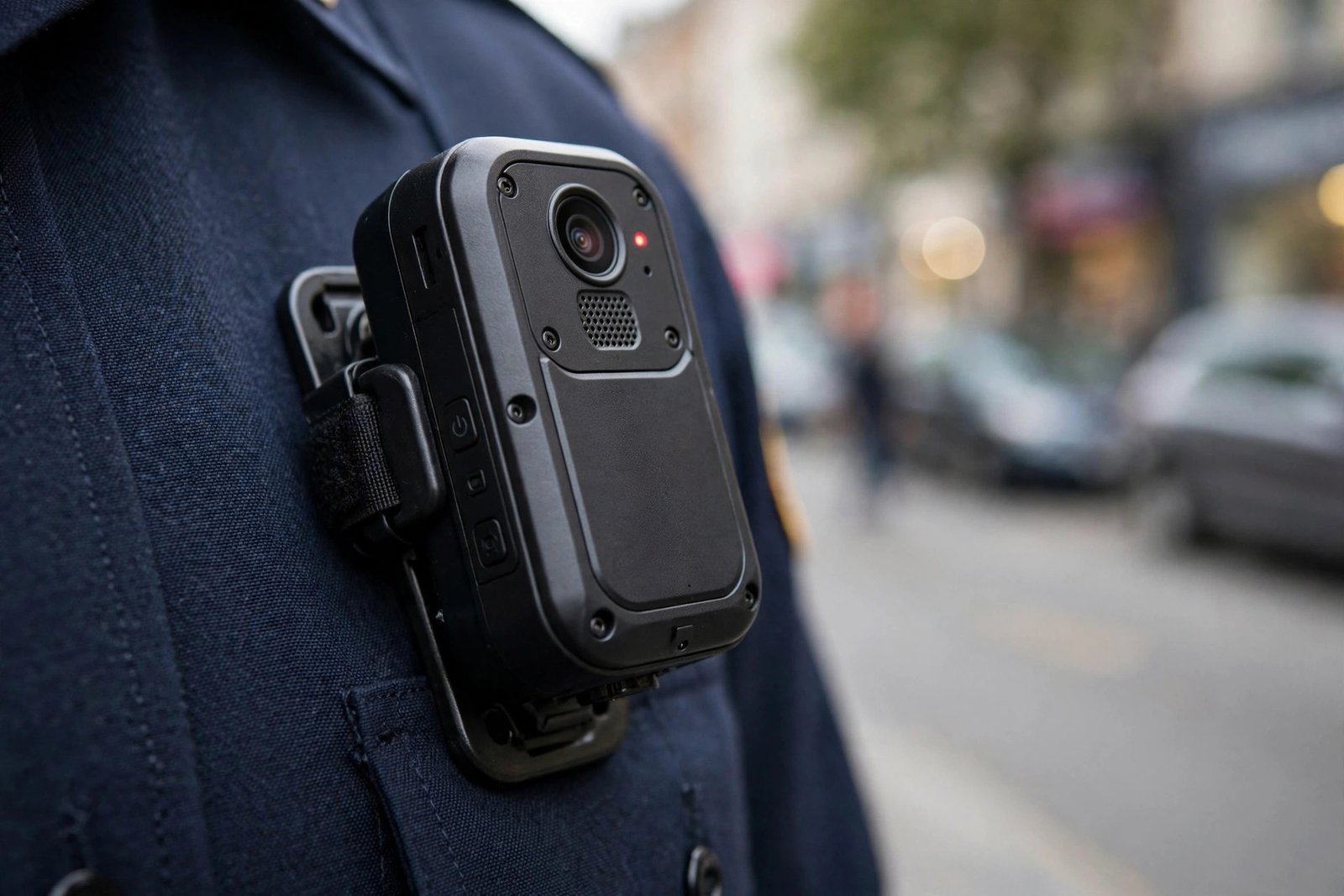
In most states, you have the right to request police body camera footage through a public records request. The process is straightforward: identify the right agency, submit a written request describing the footage you want, and wait for a response. That said, exemptions for ongoing investigations and privacy, plus fees and backlogs, mean it helps to know how the system works before you file.
The Quick Answer
- Yes, you can usually request it. Bodycam footage is generally a public record, obtainable through your state’s public records law (the federal FOIA covers only federal agencies).
- File a written request with the law enforcement agency’s records division describing the footage as specifically as possible.
- Common exemptions: active investigations, privacy of victims/minors, and security-sensitive content.
- Expect fees and waiting periods — timelines range from days to months depending on the state and agency.
Know Your Rights: FOIA vs. State Laws
The federal Freedom of Information Act (FOIA) applies only to federal agencies like the FBI. For city police, county sheriffs, and state troopers, you’ll use your state’s public records law. Common examples:
- California: California Public Records Act
- Texas: Texas Public Information Act
- Florida: Sunshine Law / Chapter 119
- New York: Freedom of Information Law (FOIL)
- Illinois: Freedom of Information Act
Most states presume records are public unless a specific exemption applies — but bodycam footage sits in a gray area in some states, where legislatures have written special rules delaying release during active investigations or requiring a court order in certain cases. Check your state’s specific bodycam statute before filing.
Step-by-Step: How to Request the Footage
Step 1: Identify the correct agency
Figure out which department’s officers were involved — city police, county sheriff, or state police. Requesting from the wrong agency just costs you time. If multiple agencies responded, you may need to file with each one.
Step 2: Find the records request process
Most departments have a records division, public records officer, or online portal. Check the agency’s website for “public records request,” “FOIA,” or “records division.” Larger departments often have dedicated forms; smaller ones may just list an email address.
Step 3: Write a specific request
Vague requests get delayed or denied. Include:
- Date, time, and location of the incident
- Officer name or badge number, if known
- Case or incident report number, if you have one
- Your relationship to the incident (involved party, witness, journalist, concerned citizen)
- Format preference (digital file, link, etc.)
Example: “Pursuant to the [State] Public Records Act, I request all body-worn camera recordings from officers of the [Department] related to the incident at [address] on [date] between [times], including footage from Officers [names/badge numbers] if available.”
Step 4: Submit and track
Submit via the agency’s portal, email, or certified mail. Save your confirmation number and filing date — response deadlines run from receipt.
Step 5: Respond to follow-ups
Agencies may ask you to narrow the request (bodycam files are huge) or pay estimated fees before processing. Respond promptly to keep things moving.
Common Exemptions
Agencies can legally withhold or redact footage for reasons including:
- Ongoing investigations: The most common basis for delay or denial. Many states allow withholding until an investigation or prosecution concludes.
- Privacy: Footage showing victims, minors, medical emergencies, or the inside of private homes is often redacted or withheld.
- Security procedures: Tactics, equipment capabilities, or confidential techniques may be protected.
- Personnel matters: Footage used solely in internal disciplinary reviews may be exempt in some states.
- Confidential informants and witnesses: Identities are routinely protected.
Note that agencies must usually redact rather than withhold entirely when only portions of the footage are exempt — faces blurred, audio muted — and release the rest.
Fees and Timelines
- Fees: Most states allow agencies to charge reasonable costs for duplication and sometimes staff time for redaction. Simple requests may be free or under $25; complex redactions involving hours of footage can run into hundreds of dollars. Always ask for a fee estimate, and ask about fee waivers (sometimes available for journalists).
- Timelines: These vary widely — some states require a response within 5–10 business days, others allow 20+ days, and backlogged agencies routinely take months for video requests. The initial response is often just an acknowledgment plus a time estimate, not the footage itself.
If Your Request Is Denied
A denial isn’t necessarily the end:
- Read the denial letter carefully. It must cite the specific exemption used. Vague denials are themselves appealable in many states.
- File an administrative appeal with the agency or a designated appeals officer, explaining why the exemption doesn’t apply.
- Contact your state’s attorney general or public access counselor. Many states offer free mediation of records disputes.
- Consider a lawsuit. Public records laws typically let requesters sue in court, and successful requesters can often recover attorney’s fees — which is why agencies take appeals seriously.
- Narrow and refile. If footage was withheld due to an active investigation, refile after the case concludes.
Key Takeaways
- Bodycam footage is generally requestable under state public records laws, not federal FOIA.
- Identify the right agency and describe the footage as specifically as possible.
- Ongoing investigations and privacy are the most common reasons for delay or redaction.
- Ask for fee estimates upfront and inquire about waivers.
- If denied, appeal — administrative appeals, the attorney general, or court action are all options.
- State laws differ significantly; check your state’s bodycam-specific rules.
Frequently Asked Questions
Can anyone request bodycam footage, or only people involved? In most states, anyone can file a public records request — you don’t need to be involved in the incident or be a U.S. citizen. A few states give involved parties faster or broader access, but the general right is public.
How long does it take to get the footage? Anywhere from weeks to several months. Straightforward requests can arrive quickly; footage tied to an active investigation may be withheld until the case closes.
Will faces be blurred? Often, yes. Agencies routinely redact the faces of minors, victims, witnesses, and uninvolved bystanders before release. The requesting party usually receives the redacted version.
Can the police charge me for the footage? They can charge reasonable duplication and redaction costs under state law, but fees must reflect actual costs — not discourage requests. Challenge fees that seem inflated.
What if the agency says the footage doesn’t exist? Ask for a written statement citing the retention schedule. Routine footage is often deleted after 60–90 days, while evidence-flagged footage is kept for years.
Is livestreamed or real-time bodycam access available to the public? No. Public access is to recorded footage through records requests. Real-time feeds are restricted to law enforcement for operational and privacy reasons.
This article is for general information only and is not legal advice.