What Is a Real-Time Crime Center?

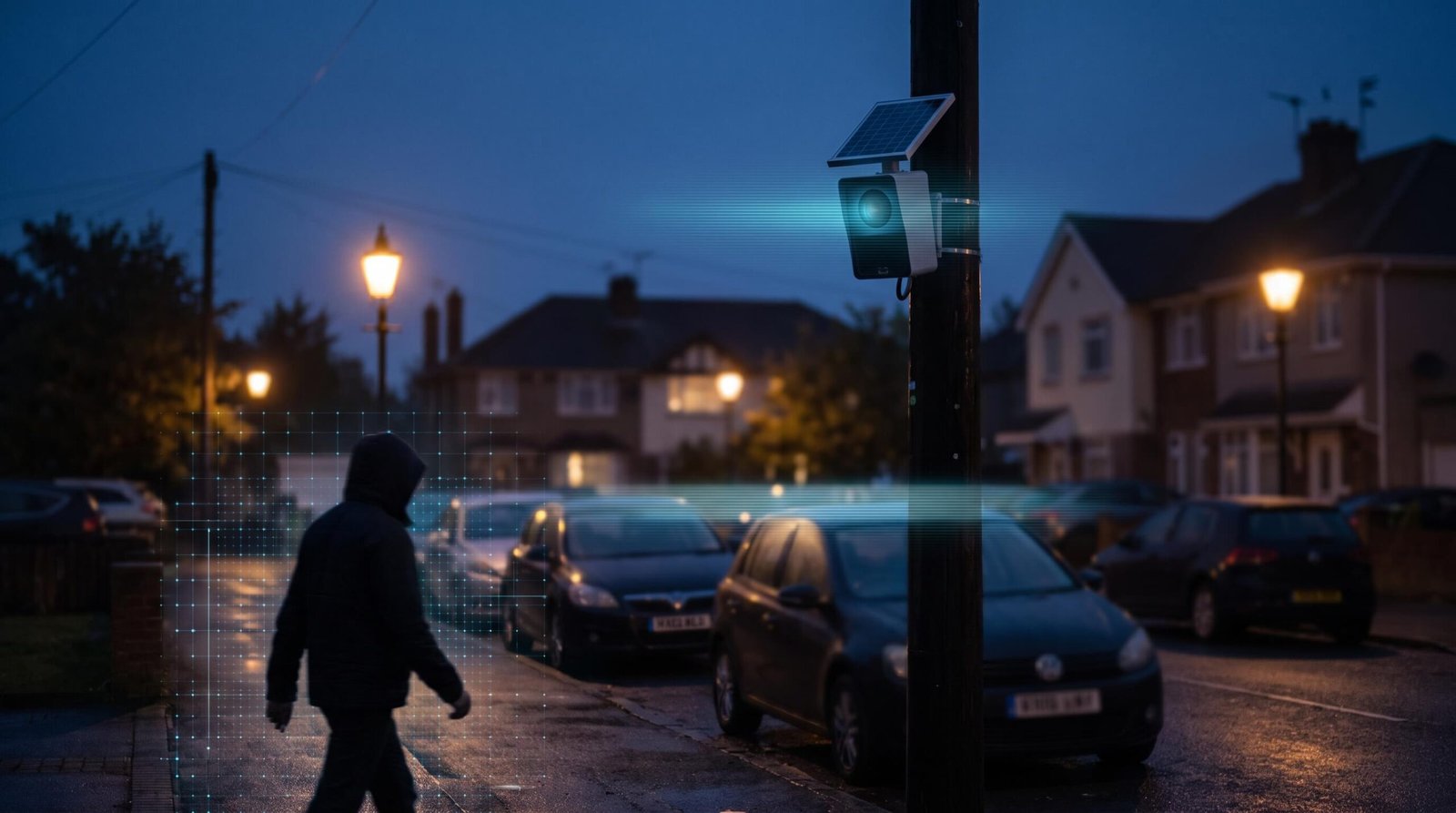
A 911 call comes in: a break-in in progress, three blocks from a busy intersection. Before the first patrol car even turns onto the street, someone miles away has already pulled up nearby traffic cameras, checked which direction a matching vehicle went, and radioed that information straight to the responding officers.
That “someone” isn’t magic — it’s a Real-Time Crime Center, and more police departments are opening them every year.
The Basic Idea
A Real-Time Crime Center, often shortened to RTCC, is a command room where analysts pull together live data from cameras, sensors, and databases across a city, then feed useful information to officers while an incident is still unfolding. Instead of officers arriving at a scene with no information beyond a dispatcher’s voice, they arrive already knowing things like a suspect’s direction of travel, a vehicle’s plate number, or whether that address has a history of prior calls.
The people staffing these centers aren’t always sworn police officers — many RTCCs use civilian analysts who specialize in reading feeds, pulling records, and communicating clearly and quickly.
How It Actually Works, Step by Step
- A 911 call or alert comes in — a break-in, a shooting, a car chase, anything active
- An analyst inside the RTCC pulls up nearby camera feeds, license plate readers, or sensor alerts tied to that location
- They cross-reference any details against existing records — vehicle registrations, past incidents, outstanding warrants
- The analyst relays real-time updates directly to officers already heading to the scene, over radio or a connected device
- Once officers arrive, they already have a head start most 911 calls never used to provide
What Feeds Into the System
| Data Source | What It Provides |
|---|---|
| Public and private security cameras | Live video of streets, intersections, and business entrances |
| License plate readers (ALPR) | Automatic scanning and logging of vehicle plates passing fixed points |
| Gunshot detection sensors | Instant alerts pinpointing the likely location of gunfire |
| Drones | Aerial video during active incidents or large events |
| Records databases | Prior incidents, warrants, and case history tied to an address or person |
| Social media monitoring | Public posts that may relate to an unfolding event |
Not every city’s RTCC uses all of these — the mix depends on budget, local laws, and what technology a department has already invested in.
Why So Many Cities Are Building Them Right Now
RTCCs aren’t new — New York City opened one of the first major ones back in 2005 — but adoption has picked up noticeably in the past few years. Falling camera and sensor costs, along with pressure on departments dealing with staffing shortages, have made centralized monitoring an appealing way to do more with fewer officers on the street.
Large public events have accelerated this even further. Cities hosting major tournaments, festivals, or high-security gatherings have leaned on RTCCs and expanded camera networks to manage crowds and respond quickly if something goes wrong — a pattern showing up again heading into 2026 as cities prepare for large-scale international sporting events.
The Debate: Faster Response vs. More Surveillance
| Supporters Say | Critics Say |
|---|---|
| Officers respond faster with better information | It expands government surveillance of public spaces |
| Helps solve cases that would otherwise go cold | Camera and plate-reader data can be misused or mishandled |
| Reduces unnecessary risk by giving officers a clearer picture before arriving | Facial recognition tools tied to these systems have led to wrongful identifications |
| Useful for large events where crowd safety is a concern | Oversight and public transparency vary widely by city |
This is why RTCCs tend to show up in local news for two very different reasons — sometimes praised for cracking a case quickly, sometimes criticized after a privacy or misuse controversy.
A Few Quick Facts
- The concept dates back to the mid-2000s, with NYPD’s center among the earliest large-scale examples
- Staffing often includes a mix of civilian analysts and sworn officers
- Smaller departments have started building scaled-down versions, not just major cities
- Most legal challenges around RTCCs focus on camera networks and facial recognition, not the concept of a crime center itself
Whether a city sees an RTCC as a smart use of existing technology or a step toward too much surveillance usually comes down to how transparently it’s run — and that’s likely to keep being the center of this conversation as more departments open their own.