What Happens If You Don’t Pay a Traffic Ticket?

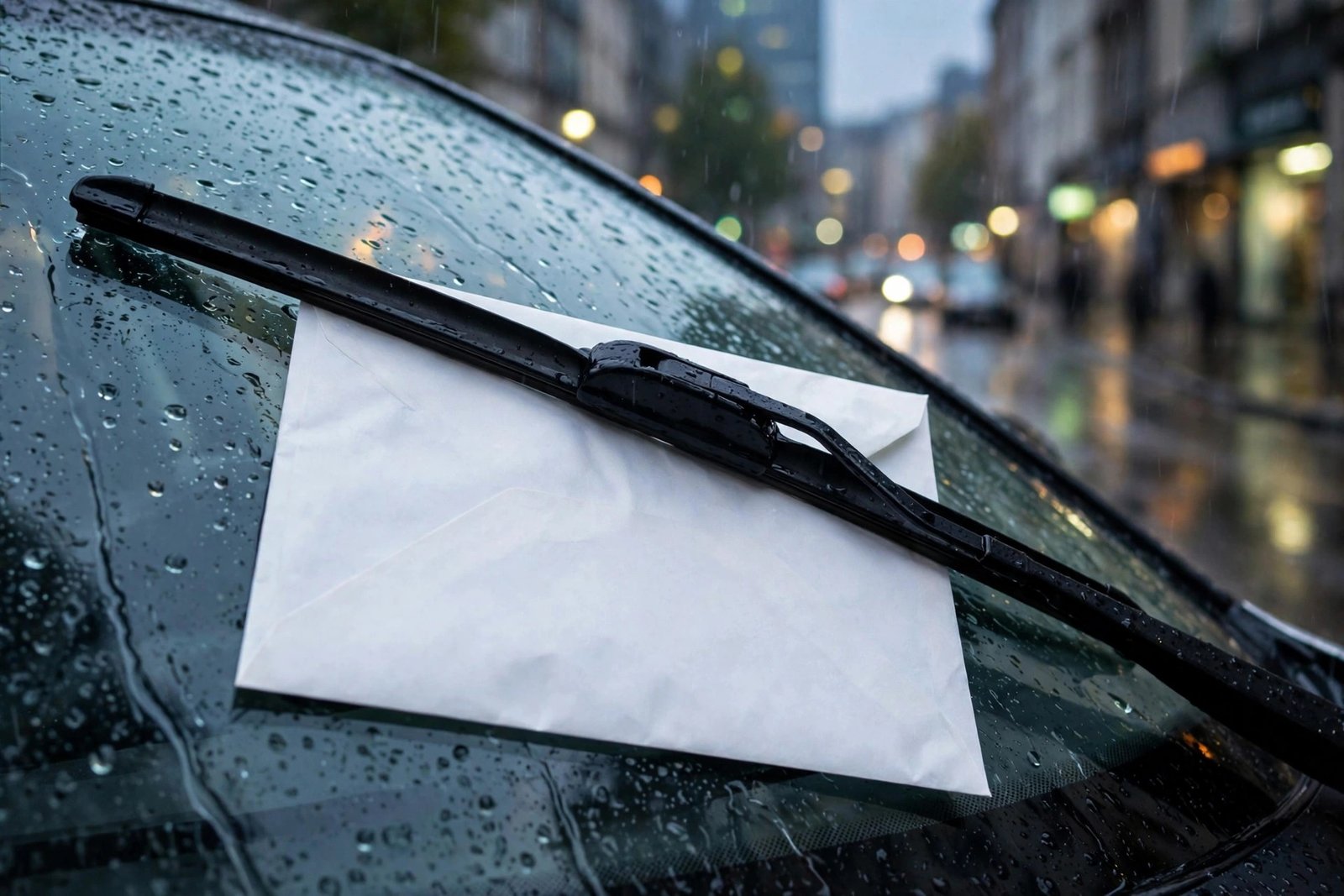
Ignoring a traffic ticket doesn’t make it go away — it makes it worse. An unpaid ticket typically triggers late fees first, then can lead to a suspended driver’s license, and in some states even a bench warrant for your arrest. The exact consequences vary widely by state, but the pattern is consistent: the longer you wait, the more expensive and complicated it gets.
The Quick Answer
- First: Late fees and penalties pile onto the original fine.
- Next: Many states suspend your driver’s license for unpaid tickets.
- In some states: Missing your court date can lead to a bench warrant (a “failure to appear”).
- Eventually: The debt may go to collections, hurting your credit and adding fees.
- Good news: Almost every stage is fixable — payment plans, court hearings, and traffic school can resolve it.
What Happens Step by Step
1. The deadline passes
Every ticket has a response deadline — usually 30 to 90 days. Miss it, and the court typically adds a late penalty or doubles the fine. Some courts enter a default judgment against you, meaning you’re found guilty automatically without a hearing.
2. Additional fines and fees
Courts add administrative fees, late penalties, and sometimes collection surcharges. A $150 speeding ticket can easily balloon past $300–$400 once penalties stack up. These add-ons are often mandatory and hard to waive without appearing before a judge.
3. License suspension
This is the consequence that surprises most people. In many states, the court notifies the DMV (or equivalent agency) of the unpaid ticket, and your license gets suspended until the debt is resolved. Driving on a suspended license is a separate criminal offense in every state — a far bigger problem than the original ticket.
Note: a growing number of states have ended the practice of suspending licenses solely for unpaid fines (as opposed to dangerous driving), recognizing it traps low-income drivers in a cycle of debt. But many states still do it, so don’t assume you’re safe.
4. A bench warrant (in some states)
If your ticket required a court appearance — or if you were given a court date and didn’t show — the judge can issue a bench warrant for “failure to appear.” This is more serious than a fine: it means you can be arrested during any future police encounter, from a traffic stop to an airport screening. In some states, failure to appear is itself a misdemeanor.
Even for tickets that didn’t require an appearance, some jurisdictions convert unpaid civil fines into court orders, and defying a court order can eventually lead to a warrant.
5. Collections and credit damage
Unpaid court debt is routinely sent to private collection agencies, which add their own fees (often 20–30%). While traffic fines themselves don’t always appear on credit reports, collection accounts generally do — dragging down your score for years.
How It Varies by State
Traffic law is state law, so the details differ enormously:
- California no longer suspends licenses for failure to pay (since 2017 reforms), but fines, collections, and holds on vehicle registration still apply.
- Texas uses the OmniBase program — unpaid tickets can block you from renewing your license or registration.
- New York can suspend your license for unpaid tickets and adds mandatory surcharges.
- Virginia ended debt-based license suspensions in 2020, but warrants for failure to appear remain possible.
- Florida can suspend your license 30 days after an unpaid ticket and charge reinstatement fees.
The takeaway: look up your specific state’s rules rather than relying on general advice.
How to Fix an Unpaid Ticket
It’s almost never too late to address it — but acting sooner is always cheaper.
- Check the ticket’s status. Look up your citation on the court’s website or call the clerk. Confirm the amount owed and whether a warrant or suspension is in play.
- Pay it. Most courts accept online payment. Paying in full is the fastest way to stop penalties from growing.
- Ask for a payment plan. Courts routinely offer installment plans for people who can’t pay at once. You usually need to request this before the debt goes to collections.
- Request a hearing. Even late, many courts will let you appear and ask the judge to reduce fines or set up a plan. Bring proof of income or hardship if relevant.
- Consider traffic school. For eligible moving violations, completing a defensive driving course can dismiss the ticket or keep points off your record — which also protects your insurance rates.
- Contest it if you have a defense. If you believe the ticket was issued in error, you generally still have the right to plead not guilty and argue your case, though deadlines apply.
- Clear any suspension. After paying, confirm with the DMV that your license is reinstated — and pay any reinstatement fee. Don’t drive until it’s official.
Key Takeaways
- Unpaid tickets grow: late fees first, then possible license suspension.
- Missing a court date can lead to a bench warrant in many states.
- Collections add fees and can damage your credit.
- Rules vary significantly by state — check your local court’s requirements.
- Payment plans, hearings, and traffic school can resolve most situations.
- Never drive on a suspended license — that turns a ticket into a criminal charge.
Frequently Asked Questions
How long do I have to pay a traffic ticket? Usually 30–90 days from the issue date, printed on the ticket itself. If you’ve lost the ticket, look it up on the issuing court’s website using your name or license number.
Will an unpaid ticket go away on its own? No. Tickets don’t expire — the debt, penalties, and any resulting suspension or warrant persist until resolved.
Can I go to jail for not paying a ticket? Not directly for the unpaid fine in most states (debtors’ prisons are unconstitutional), but you can be jailed for failure to appear, driving on a suspended license, or defying a court order — all of which commonly follow unpaid tickets.
Will my insurance go up? Unpaid tickets that become convictions typically add points to your driving record, and insurers raise premiums based on those points. Resolving the ticket through traffic school (where available) can prevent the rate hike.
What if I moved to another state? The ticket follows you. States share violation data through interstate compacts, and your new state can deny license renewal over out-of-state holds. Deal with it in the issuing jurisdiction.
Can I negotiate the fine down? Often, yes. Judges frequently reduce fines for people who appear in court, show financial hardship, or have clean records. It never hurts to ask — the worst outcome is paying the original amount.
This article is for general information only and is not legal advice.