Do You Have to Pay a Red Light Camera Ticket?

It depends on where you live. In states and cities where red light cameras are legal, a camera ticket is a real citation and ignoring it can lead to fines, collections, or registration problems. But a growing number of states have banned red light cameras entirely — and where cameras are illegal, the ticket is generally unenforceable.
Because the rules vary so much, the first step is always to check your own state and local laws rather than relying on general advice or internet rumors.
How Red Light Camera Tickets Work
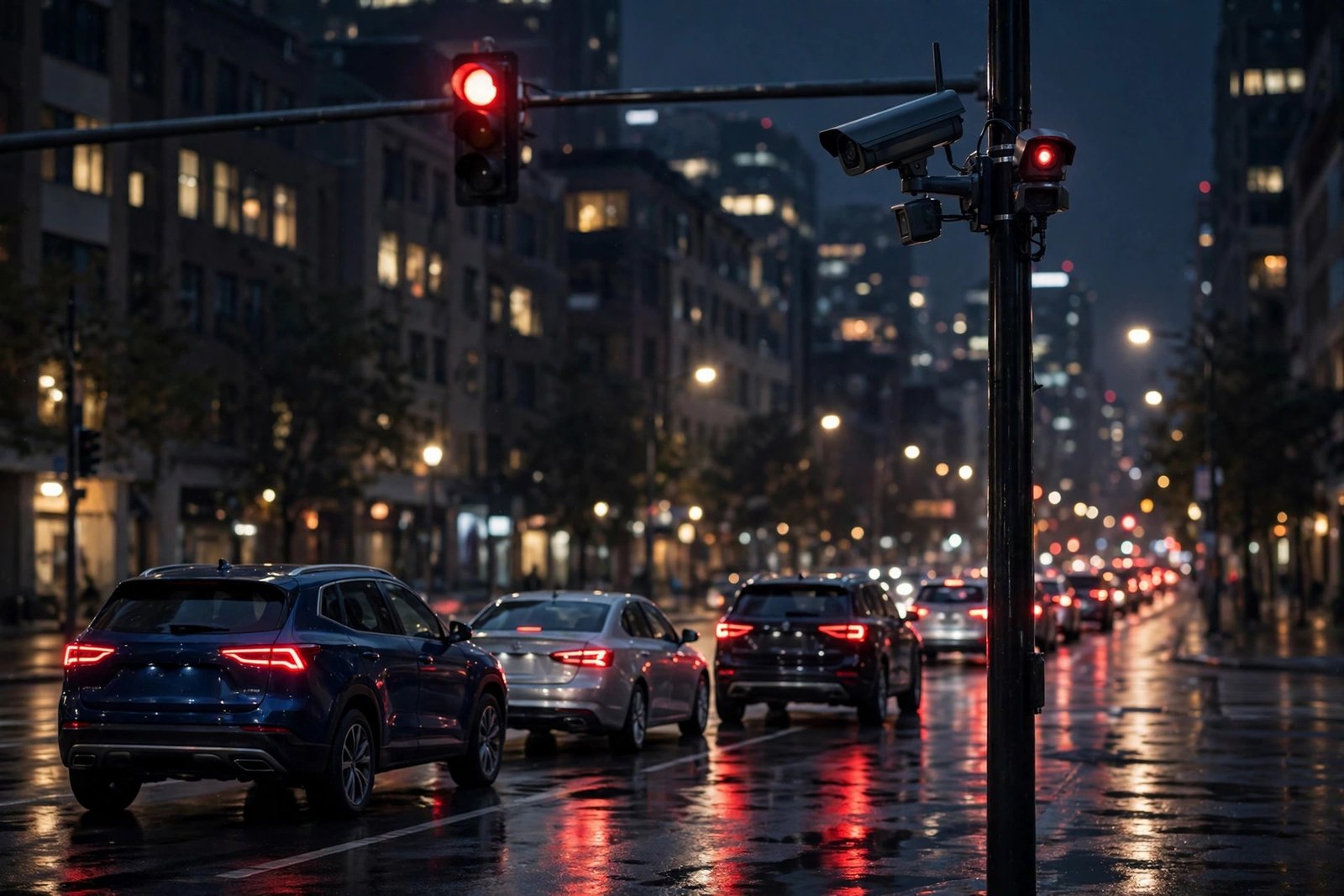
Red light cameras are automated systems mounted at intersections. When sensors detect a vehicle entering the intersection after the light turns red, the camera captures photos or video of the vehicle, its license plate, and usually the driver. A human reviewer — typically a police officer or a contractor — examines the images before a citation is mailed to the registered owner’s address.
Unlike a ticket from an officer at a traffic stop, there is no roadside interaction. You may not learn about the violation until the notice arrives weeks later, which is one reason these tickets are controversial.
Are Red Light Cameras Legal in Your State?
The legal landscape is a patchwork. Some states expressly authorize red light cameras and regulate how they can be used. Others ban them outright — Texas, for example, prohibited red light cameras statewide in 2019, and states including Maine, New Hampshire, and South Carolina do not permit them either. Many more states have no law either way, leaving the decision to individual cities.
Camera programs also come and go: several cities have shut theirs down after public backlash, court rulings, or studies questioning their safety benefits. Because the list of bans changes over time, verify the current law in your state and city before deciding how to respond to a ticket.
Is a Camera Ticket a Moving Violation?
This is a critical distinction. In some states, a red light camera ticket is treated like any other moving violation — meaning points on your license and a mark on your driving record. In others, it is classified as a civil or administrative violation against the vehicle owner, more like a parking ticket: you pay a fine, but no points are assessed and it does not appear on your driving record.
The classification affects both the stakes and your strategy. A no-points civil fine may be worth simply paying, while a moving violation with points may be worth contesting.
Who Is Liable: The Driver or the Registered Owner?
Camera tickets are mailed to the registered owner of the vehicle — who may not have been driving. In many jurisdictions, the owner is presumed liable unless they identify the actual driver or submit a sworn statement that someone else was behind the wheel (or that the car was stolen or sold).
If you lent your car to a friend or family member, check your local rules: some places let you transfer liability by naming the driver, while others hold the owner responsible regardless.
Defenses and How to Contest a Camera Ticket
You were not the driver. If the photo clearly shows someone else driving, that is often the strongest defense — especially where the law requires identifying the driver.
The yellow light was too short. Traffic engineering standards set minimum yellow-light durations based on the speed limit. If the yellow was shorter than required, the ticket may be invalid. This defense has succeeded in multiple cities.
You already stopped, or turned right safely. Many tickets are issued for rolling right turns on red. If you made a complete stop before turning, or if right-on-red is permitted at that intersection, the citation may be beatable.
Unclear signage or malfunctioning equipment. Missing “photo enforced” signs (required in some states), blurry images, or an unreadable plate can all undermine the ticket.
To contest, follow the instructions on the citation — there is usually a deadline to request a hearing, and missing it can forfeit your right to challenge the ticket.
What Happens If You Ignore a Camera Ticket?
Do not assume an ignored camera ticket simply goes away. Depending on the jurisdiction, consequences can include late fees added to the fine, referral to a collections agency (which can affect your credit), holds on your vehicle registration renewal, and in some places, an eventual warrant or referral to court. That said, enforcement varies enormously — some jurisdictions barely pursue unpaid camera tickets, while others treat them like any other citation. Check how your specific city handles nonpayment before deciding.
Key Takeaways
- Whether you must pay depends on your state and city — some ban red light cameras entirely.
- Camera tickets are mailed to the registered owner, who may not have been the driver.
- In some states they are moving violations with points; in others they are civil fines like parking tickets.
- Strong defenses include not being the driver, an improperly short yellow light, and equipment or signage problems.
- Ignoring a ticket can lead to late fees, collections, or registration holds depending on local enforcement.
- Always check current local law and contest deadlines printed on the citation.
Frequently Asked Questions
Are red light camera tickets enforceable? In jurisdictions where cameras are legal, yes — they are real citations. Where state law bans red light cameras, tickets from them are generally unenforceable. The answer is entirely location-dependent.
Will a red light camera ticket affect my insurance? It depends on how your state classifies the violation. If it is a moving violation with points, your insurer may raise your rates. If it is a civil fine with no points, it typically does not affect insurance.
Can I get a ticket if someone else was driving my car? The ticket goes to the registered owner first. Many jurisdictions let the owner submit a statement identifying the actual driver or declaring the car was not in their control, which can transfer or dismiss liability.
How do I fight a red light camera ticket? Request a hearing before the deadline on the citation, then argue defenses like mistaken driver, short yellow light, or faulty equipment. Bring photos, measurements, or witness statements as evidence.
What if the photo doesn’t clearly show my face? A blurry or inconclusive photo weakens the case against you, particularly in states that must prove who was driving. Raise this at your hearing.
Do red light cameras actually reduce accidents? Studies are mixed: cameras tend to reduce dangerous right-angle (T-bone) crashes but may increase rear-end collisions as drivers brake abruptly. This debate is one reason many cities have removed their cameras.
This article is for general information only and is not legal advice.