
How Much Do Police Officers Make in New York?

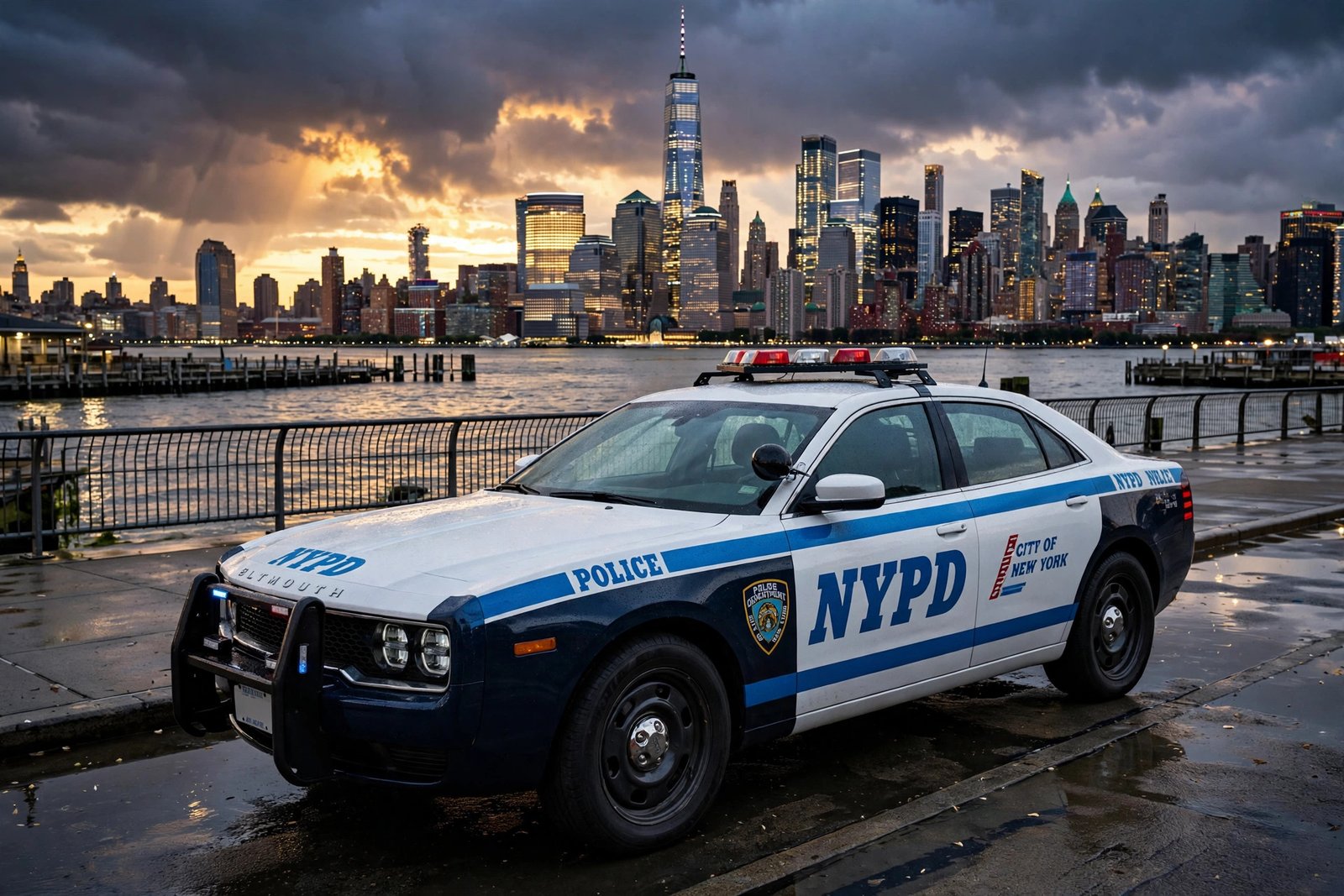
New York police officers are among the better-paid in the country, though the numbers depend heavily on which department you join. An NYPD officer starts at a base salary of roughly $56,000 to $60,000, reaches about $68,000 in the second year and $82,000 around three and a half years, and can earn a top base pay of approximately $109,000 after five and a half years of service. Overtime, holiday pay, and shift differentials can push total earnings well above base pay.
All figures below are approximate — exact pay changes with union contracts, so always check current schedules before making career decisions.
NYPD Pay Scale (Approximate)
The NYPD uses a step-based pay system tied to years of service. Based on recent (2025–2026) pay schedules:
- Police academy / starting: ~$56,000–$60,000 base
- After ~1.5–2 years: ~$68,000 base
- After ~3.5 years: ~$82,000 base
- After ~5.5 years (top pay): ~$109,000 base
These are base salaries only. They don’t include overtime, holiday pay, night-shift differentials, or longevity bonuses — all of which add meaningfully to take-home pay.
Overtime and Extra Pay
Overtime is where NYPD earnings often separate from the base scale. Officers working busy precincts, special details, or major events can add tens of thousands of dollars per year in overtime. Holiday pay, court overtime (for officers required to appear in court on off days), and uniform and equipment allowances further increase total compensation. It’s common for experienced officers’ total earnings to land well above their base salary.
Benefits and Pension
Cash pay is only part of the package. NYPD officers receive:
- Pension: A defined-benefit pension, generally available after 20–22.5 years of service depending on tier and hire date.
- Health insurance: Comprehensive medical, dental, and vision coverage.
- Paid time off: Vacation days that increase with seniority, plus sick leave and paid holidays.
- Tuition and training benefits: Education incentives and promotional opportunities tied to continued learning.
The pension in particular is a major part of lifetime compensation — a guaranteed retirement benefit that’s increasingly rare in the private sector.
New York State Police Pay
Troopers with the New York State Police follow a separate pay scale that is competitive with, and in some steps above, NYPD base pay. State Police recruits earn a salary during academy training, and trooper pay steps up with seniority. Troopers also receive overtime, and assignments across the state come with location-based considerations — a trooper stationed upstate earns the same scale while living in a much lower-cost area than New York City.
Upstate and Smaller Departments
Outside New York City, pay varies enormously. Departments in affluent suburbs — particularly in Westchester, Nassau, and Suffolk counties — can pay as well as or better than the NYPD. Smaller upstate cities and rural sheriff’s departments typically pay less, sometimes starting in the $40,000s–$50,000s, but the cost of living is dramatically lower. When comparing offers, always weigh salary against local housing costs.
Why the Numbers Keep Changing
Police pay in New York is set through collective bargaining between the city or state and police unions (the PBA for NYPD officers, for example). Each new contract can adjust base pay, add bonuses, or change overtime rules. Figures quoted online go stale quickly — for the most current numbers, check the department’s official recruiting page or the latest union contract summary.
Promotional Ranks: Sergeant, Lieutenant, and Detective Pay
Base pay climbs further with promotion. NYPD sergeants earn noticeably above top officer pay — roughly in the $120,000–$130,000 base range depending on the contract — while lieutenants earn more still. Detectives receive assignment-based bumps: a third-grade detective earns above top officer pay, with first-grade detectives earning at levels comparable to sergeants.
Promotions require competitive civil service exams, time in rank, and strong performance records. For officers thinking long-term, the pay ladder is one of the strongest arguments for an NYPD career: an officer who promotes steadily can roughly double their starting base pay within a decade, before overtime. As with patrol pay, these figures are approximate and move with each union contract.
Key Takeaways
- NYPD base pay runs approximately $56K–$60K at entry to ~$109K at top scale (5.5 years).
- Overtime, holiday pay, and differentials routinely push total earnings above base.
- Benefits — especially the pension — are a major part of total compensation.
- NY State Police pay is competitive; suburban departments can match or beat NYPD; rural upstate pay is lower but so is the cost of living.
- All figures are approximate and shift with union contracts.
Frequently Asked Questions
What is the starting salary for NYPD officers? Approximately $56,000 to $60,000 in base pay, based on recent pay schedules. Total first-year earnings are higher once overtime and allowances are included.
How much do NYPD officers make after 5 years? Around $109,000 in base pay after roughly 5.5 years of service, plus overtime and other additions that can raise total compensation significantly.
Do New York police officers get overtime? Yes. Overtime, holiday pay, and court overtime are standard, and in busy assignments they can add tens of thousands of dollars per year.
Which New York police department pays the most? It varies by contract cycle, but NYPD, New York State Police, and well-funded suburban departments (Westchester, Long Island) are typically at the top. Total compensation depends on overtime availability as well as base pay.
Is the NYPD pension still good? Yes. NYPD officers earn a defined-benefit pension after 20–22.5 years depending on tier — one of the strongest retirement benefits in American law enforcement.